
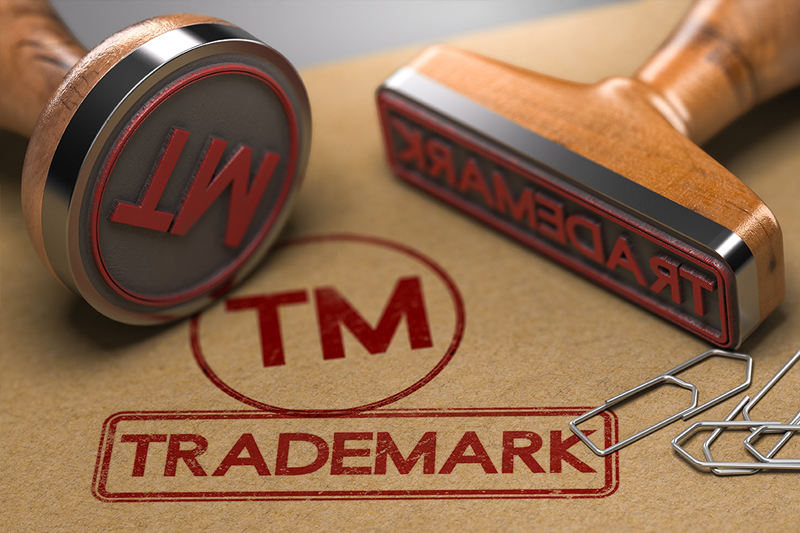
Creating a trademark is vital to the continuity of your commercial operation. The main purpose of a trademark is to identify the source of a product, and to distinguish that product from products that come from other sources. You would be recognized through your brand and gain an advantage over your competitors. Trademarks grant the owner the exclusive right to use their mark on specific goods or services, preventing competitors from using similar marks that could cause consumer confusion. Protecting your brand in the United States and preventing others from imitating can be done by obtaining a trademark registration.
37.8% of e-commerce trade in the United States takes place through Amazon. Selling goods on Amazon as a seller means fierce competition. In this competitive environment, in addition to those who want to compete with you in terms of product quality, you may also encounter those who imitate your products or brand. To prevent these issues, Amazon launched its brand registry program. The brand registry program provides support to sellers in preventing imitation of products and brands sold on Amazon. If you want to benefit from this support, you need to obtain trademark protection and registration.
How do you get a trademark registration? You file for a trademark application with the federal institution called as the United States Patent and Trademark Office (the “USPTO”). The USPTO gives you the flexibility to file for trademark protection for a logo mark or a plain text mark without a logo. The owner of your trademark may be a legal entity (i.e. your company) or yourself as an individual. When choosing a trademark, try to find a name that is unique to you. Stay away from generic or descriptive marks describing your product or service. The USPTO does not favor generic or descriptive marks.
In your trademark application, choosing the trademark class is also critical. There are many trademark classes. Each of these classes defines a different product or service. Randomly choosing a trademark class without knowing what these trademark classes mean may cause your trademark to be registered in the wrong class.
When the USPTO reviews your trademark application, it checks to see whether your trademark is similar to other trademarks. If it finds similarity, your trademark application may be rejected. You have to respond to the USPTO’s objections or inquiries in a timely manner. Sometimes, the USPTO may ask questions about the trademark application. In some instances your proof of use of the trademark may not be accepted. You will need to act within the time given to you in the USPTO’s inquiries and requests. Another important issue is that the USPTO requires these answers to be given by a licensed US attorney. If you receive an objection to your trademark application, do not hesitate to contact us.